


-

Add: HeBei ShengShi HongBang Cellulose Technology CO.,LTD.
-

Email
13180486930@163.com -

CONTACT US
+86 13180486930
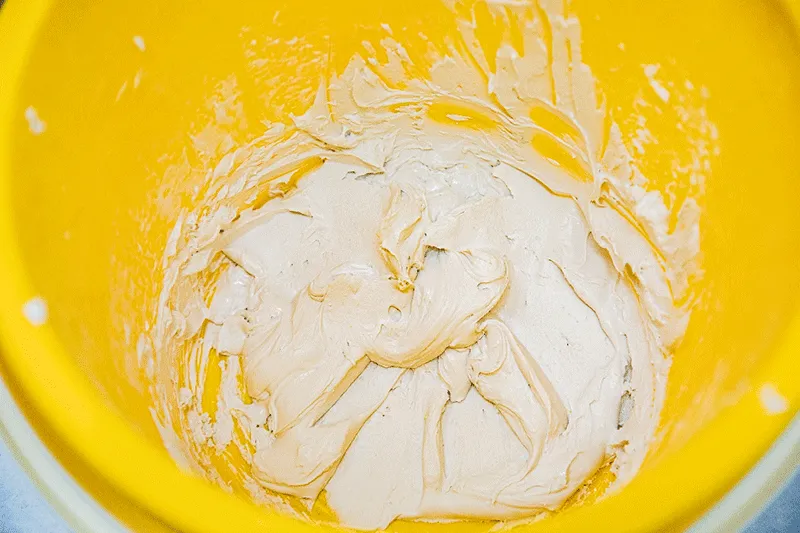
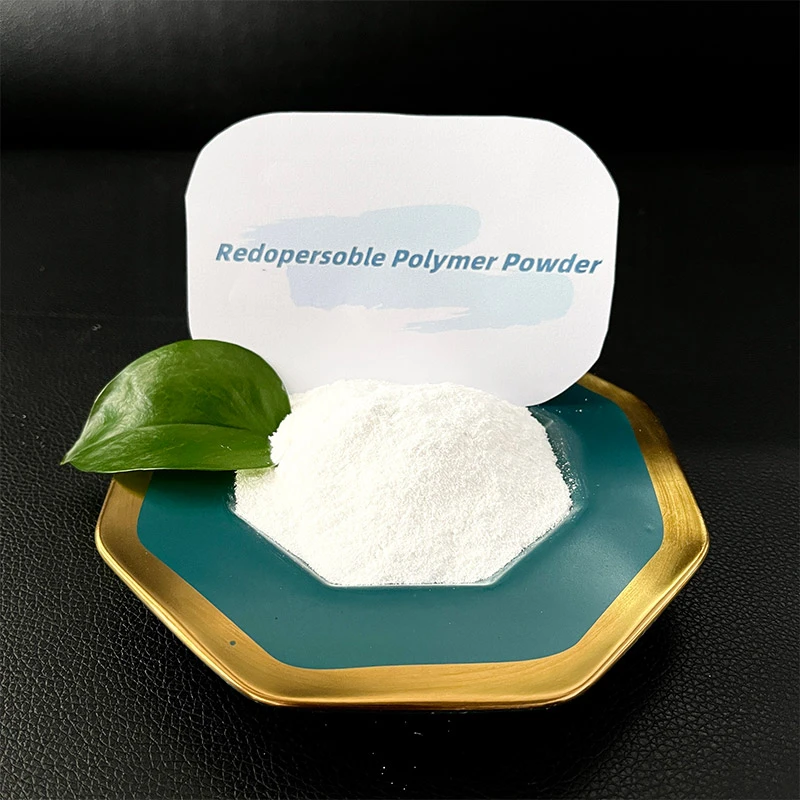
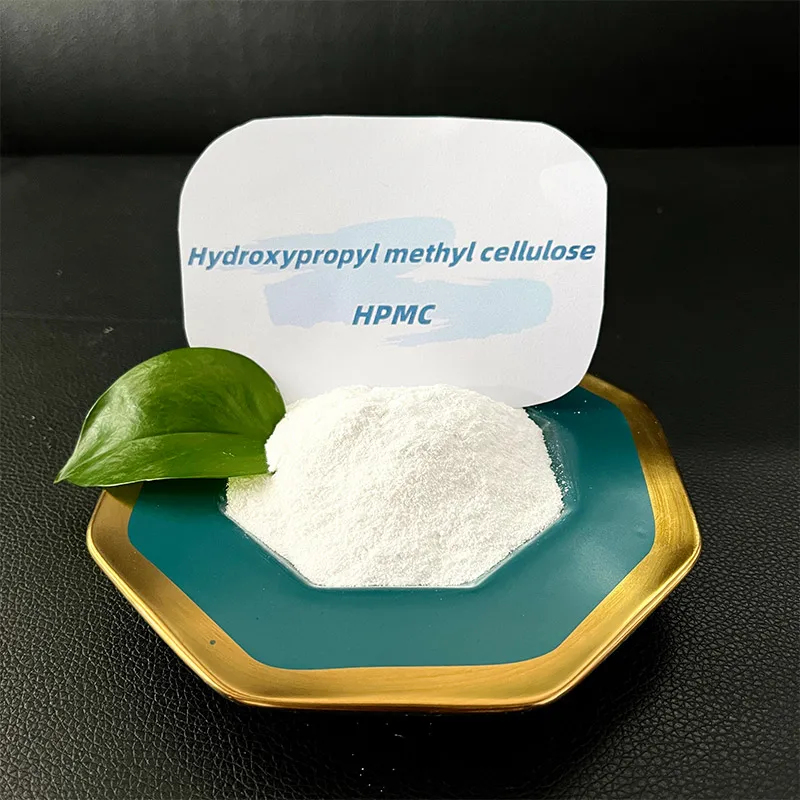


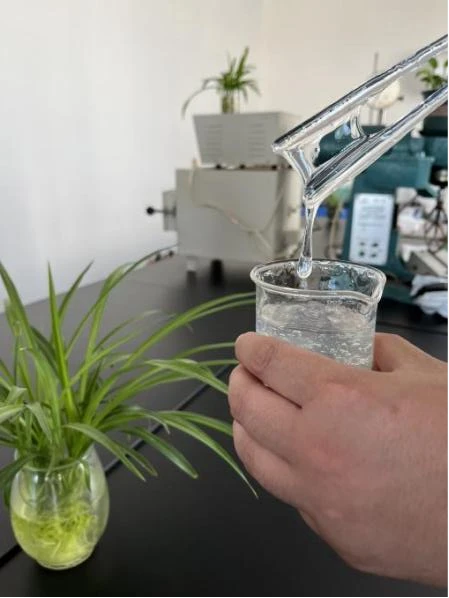
How to Make HPMC Gel A Step-by-Step Guide Hydroxypropyl methylcellulose (HPMC) is a versatile polymer widely used in various applications, including pharmaceuticals, cosmetics, and food products. One of the most common uses of HPMC is to create gels, which can serve as thickening agents, stabilizers, or film-forming agents. In this article, we will provide a detailed guide on how to make HPMC gel, ensuring that you have all the information you need to successfully create your own gel. Materials Needed Before getting started, it’s essential to gather all the materials you will need 1. HPMC Powder Available in various grades, choose one that fits your intended application. 2. Distilled Water Using distilled water ensures that no impurities interfere with the gel formation. 3. Heating Source A hot plate or stovetop for heating the water. 4. Beaker or Container For mixing the ingredients. 5. Stirring Tool A whisk or a magnetic stirrer for thorough mixing. 6. pH Meter or Strips Optional but useful for adjusting the pH if necessary. 7. Preservatives (Optional) If you intend to store the gel for an extended period, consider adding a preservative. Step-by-Step Instructions Step 1 Prepare the Water Start by measuring the amount of distilled water you will need. The quantity of water will depend on the desired concentration of the HPMC gel. Typically, a concentration of 1-3% HPMC is used, but you can adjust it according to your requirements. Pour the measured water into a beaker or container. Step 2 Heat the Water Gently heat the distilled water using your heating source. The temperature should be around 60-70°C (140-158°F), which helps dissolve the HPMC more effectively. Do not bring the water to a boil, as excessive heat might degrade the polymer. Step 3 Mix HPMC with Water how to make hpmc gel Slowly add the HPMC powder to the heated water while continuously stirring. It’s crucial to sprinkle the HPMC powder evenly to prevent clumping. Use a whisk or a magnetic stirrer to create a homogeneous mixture. Continue stirring until the powder is fully dissolved, and the mixture becomes viscous. Step 4 Allow to Cool and Thicken Once the HPMC is fully dissolved, remove the beaker from the heat source and allow the solution to cool. As it cools, the gel will thicken further. This process may take some time, so be patient. You can stir occasionally to ensure even thickening. Step 5 Adjust pH (Optional) If necessary, check the pH of the gel using a pH meter or strips. HPMC gels typically perform best at a neutral pH (around 7). If you find that the pH is too high or low, you can adjust it by adding small amounts of citric acid (to lower pH) or sodium hydroxide (to raise pH). Stir well after each adjustment. Step 6 Add Preservatives (If Needed) If you plan to store the HPMC gel for an extended period, consider adding a preservative to prevent microbial growth. Follow the manufacturer's instructions regarding the appropriate type and quantity of preservative to use. Step 7 Store the Gel Properly Transfer the HPMC gel into an airtight container. Store it in a cool, dry place away from direct sunlight. If stored correctly, HPMC gel can last for several months. Conclusion Creating HPMC gel at home is a straightforward process that involves heating water, dissolving the HPMC powder, and allowing it to cool and thicken. With just a few ingredients and some patience, you can produce a high-quality gel suitable for various applications. Whether you are a hobbyist or a professional, understanding how to make HPMC gel can be a useful skill in your toolkit. Enjoy experimenting with your gel, and don’t hesitate to adjust the formulation to meet your specific needs!
- 40000tons

Production
- 20+years

Experience
- 5000+㎡

Acreage

-

Methyl hydroxyethyl cellulose (MHEC) is a versatile polymer that is widely used across various industries due to its unique properties and applications . Its primary value lies in its ability to modify the rheological properties of solutions, making it an essential component in many products. This article delves into both the technical attributes of MHEC and its practical applications, showcasing its breadth of uses aided by its expert formulation. MHEC is fundamentally designed to enhance product performance by acting as a thickening, water-retaining, and stabilizing agent. One of the standout features of MHEC is its solubility in both cold and hot water, which allows for flexibility in the formulation processes. With advancements in its synthesis, MHEC offers excellent thermal stability, making it indispensable in products exposed to varying temperature conditions. In the construction industry, MHEC plays a critical role, particularly in cement-based products. For tile adhesives, MHEC provides the necessary consistency and adhesion properties that ensure tiles remain affixed to surfaces over time. It enhances workability by improving the open time and reducing sagging, which are crucial for optimal application and end-user satisfaction. Furthermore, MHEC's water retention capability ensures adequate curing, which enhances the strength and longevity of the construction work. Paints and coatings greatly benefit from MHEC due to its ability to improve viscosity and suspension properties. It ensures that pigments and other components are evenly distributed throughout the formulation, preventing settling and ensuring a consistent finish. Additionally, for water-based paints, MHEC acts as a thickener, allowing for smooth application and leveling, critical for achieving high-quality aesthetic results. In the personal care and cosmetics sector, MHEC’s safety profile and non-toxic nature make it an ideal choice for products that require viscosity modification without compromising user safety. It is utilized in creams, lotions, and shampoos to enhance texture and provide a desirable feel upon application, impacting not only the efficacy but also the sensory appeal of beauty products. Consumers trust products that incorporate MHEC due to its ability to create a stable emulsion and maintain product integrity over time. methyl hydroxyethyl cellulose uses For the pharmaceutical industry, MHEC serves as an excipient, providing controlled release properties for tablets and capsules. Its role in regulating viscosity is vital in suspensions and syrups, ensuring the active ingredients are delivered effectively. The precise formulation capabilities of MHEC have been subjected to rigorous testing, validating its benefits in enhancing drug delivery systems. MHEC is also making strides in emerging applications such as bio-composites and sustainable materials. Researchers and experts are continuously exploring its potential in the formation of eco-friendly products, underlining the polymer's adaptability to future demands. From a professional and authoritative perspective, companies leveraging MHEC in their formulations benefit from the empirical research and development that have proven its efficacy across diverse applications. Experts in material science and chemical engineering advocate for its use, recognizing the polymer's ability to provide tailor-made solutions for complex production challenges. Overall, methyl hydroxyethyl cellulose's multifaceted utility, backed by scientific expertise, positions it as a fundamental resource for innovative product development. Its continued research and application reflect its robustness and relevance in industries seeking high-performance and reliable solutions.
-
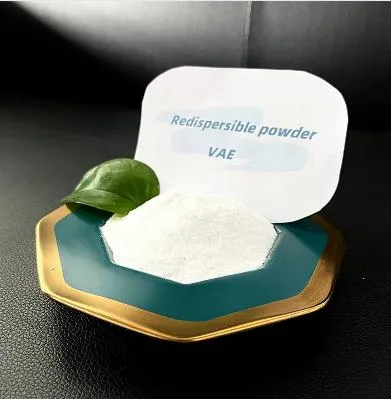
Delving into the realm of skincare often feels like navigating a maze, replete with a plethora of ingredients scientifically engineered to enhance and rejuvenate skin. Among these, hydroxypropyl methylcellulose (HPMC) emerges as a significant player , offering transformative benefits and capturing the interest of skincare enthusiasts and professionals alike. Known commonly for its thickening properties in food and pharmaceuticals, HPMC's adaptation into skincare products underscores a fascinating intersection of science and beauty. The efficacy of HPMC in skincare is primarily rooted in its unparalleled ability to hydrate and protect the skin. By forming a protective barrier on the skin’s surface, HPMC locks in moisture, catering to those plagued by dryness and irritation. This protective layer not only prevents water loss but also shields the skin from environmental aggressors, such as pollutants and UV radiation, thereby enhancing skin resilience and appearance. Dermatologists and skincare experts frequently laud HPMC for its hypoallergenic nature. Unlike many synthetic compounds, HPMC is derived from cellulose, a natural polymer found in plant cells. This origin makes it biodegradable and generally well-tolerated by even the most sensitive skin types, addressing the growing consumer demand for both efficacy and safety in skincare formulations. Incorporating HPMC into skincare routines has shown remarkable results, especially in products designed to soothe and calm the skin. Its unique structural composition enables it to mimic the skin’s natural barrier, thereby aiding in repair processes. Products containing HPMC are thus ideal for individuals with compromised skin barriers, such as those suffering from eczema or dermatitis, where maintenance of skin integrity is paramount. For consumers seeking anti-aging benefits, HPMC offers an enticing proposition. Its moisture-retaining properties significantly contribute to plump, youthful-looking skin, helping to smooth fine lines and wrinkles. The ability of HPMC to enhance the stability and delivery of active ingredients in formulations cannot be overlooked, making it a prized ingredient in serums and creams targeting signs of aging. hydroxypropyl methylcellulose skin care The versatility of HPMC extends beyond hydration and barrier protection. Its application in skincare products often enhances the texture and spreadability of creams and lotions, which improves user experience and product application. This versatility allows formulators to create products that not only deliver effective skincare solutions but also provide a luxurious sensory touch that consumers adore. Skincare professionals, backed by clinical studies, emphasize that the inclusion of HPMC in skincare formulations is a testament to its multifunctional advantages. Moreover, its compatibility with a wide range of ingredients facilitates active synergy, enhancing the overall efficacy of the formulation. This adaptability ensures that HPMC-enriched products can be tailored to specific skincare needs, be it hyperpigmentation, uneven texture, or basic hydration. Trust in HPMC-infused skincare comes from years of insightful research and development. Reputable brands relying on evidence-based science continue to innovate with HPMC, bringing forth products that embody expertise in formulation and meticulous attention to consumer safety. Transparency in formulation and an unwavering commitment to quality assure consumers of the credibility and authority of HPMC-based skincare products. Ultimately, as awareness and understanding of ingredient profiles grow among consumers, the appreciation for HPMC in skincare is likely to escalate. Seen as a bridge between scientific precision and natural efficacy, HPMC carves a niche in the ever-evolving landscape of skincare. For those embarking on a skincare journey prioritizing hydration, protection, and skin health, products featuring hydroxypropyl methylcellulose present a compelling choice, blending innovation with reliable skincare benefits.
advantages
-

200000 Viscosities
Excellent product
We can produce pure products up to 200,000 viscosities
-

40000 tons
High yield
We don’t stop production all year round, and the annual output can reach 40,000 tons
-

24 hours
Quality service
We provide 24-hours online reception service, welcome to consult at any time
———— Inquiry Form
Schedule A services
-
 is_hpmc_water_soluble
Oct . 25, 2025
Cellulose ether HPMC (Hydroxypropyl Methylcellulose) has emerged as a significant player in the real -
 hpmc_15
Oct . 25, 2025
The journey of synthetic fibers began with an innovation that changed the textile industry forever t -
 hpmc_chemical_formula
Oct . 25, 2025
Understanding Polyolefin Fibers Properties, Applications, and Advantages Polyolefin fibers, derived


